


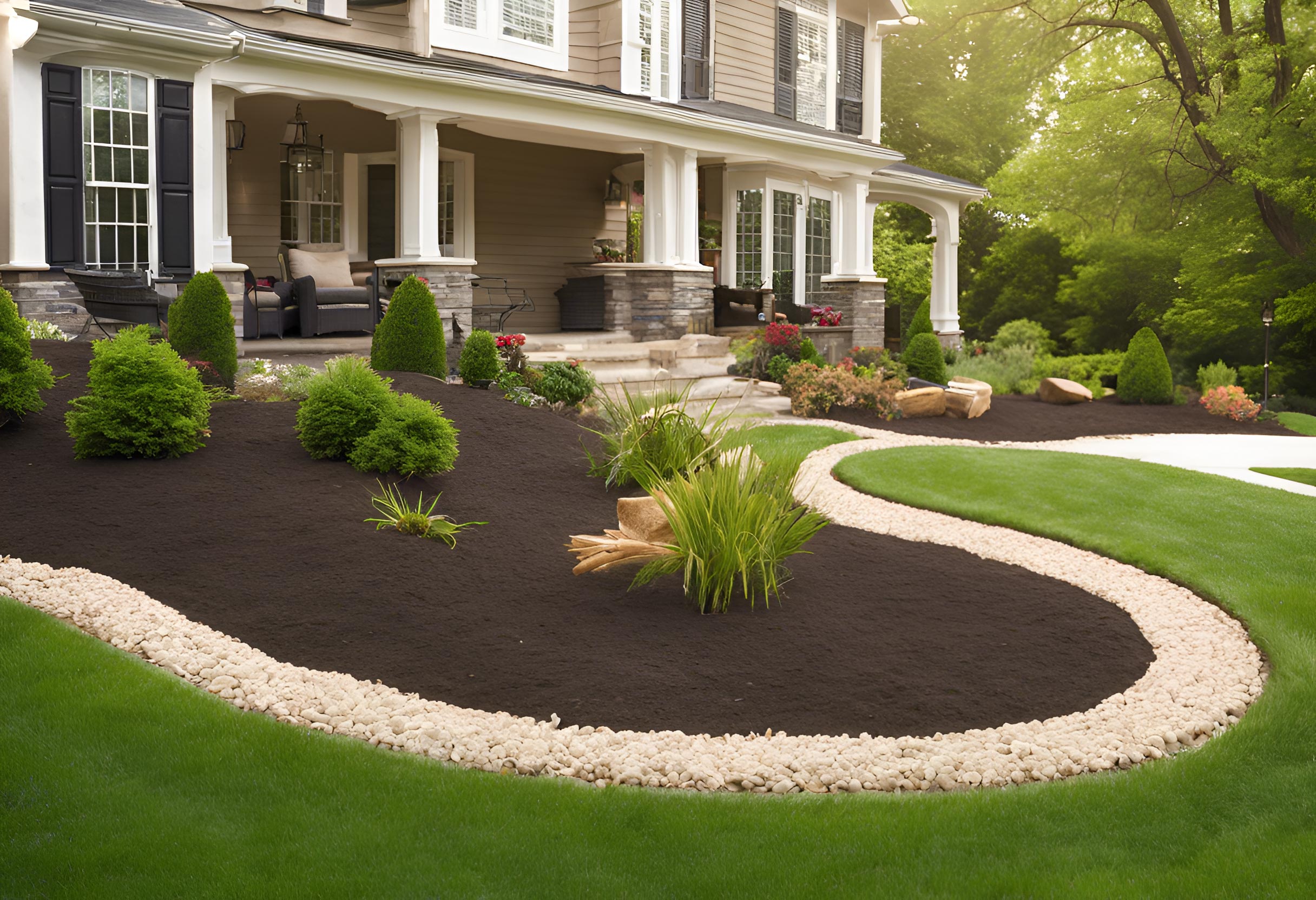
When you’re tackling a landscaping project, you might come across the term “grading.” In the context of landscaping, grading refers to the process of leveling or sculpting your land to ensure proper drainage and to prepare the ground for whatever you’ve got planned, be it a garden, a patio, or a perfectly manicured lawn. Think of it as setting the stage for your outdoor space; good grading ensures that rainwater flows away from your home’s foundation, reducing the risk of water damage and basement flooding.
Grading isn’t just functional; it also has an aesthetic angle. If you’re looking to create that perfect outdoor area, you’ll want to sculpt the land to suit your vision. It involves skill and precision to even out uneven patches and establish level surfaces where you need them, like for patios, driveways, or just a nice flat area to kick a ball around. Although it might seem like a mere groundwork chore, proper grading is crucial for the longevity and effectiveness of your landscaping work.
Basics of Grading in Landscaping
Grading in landscaping is essentially shaping the ground to suit your design and drainage needs. Think of it as sculpting the earth beneath your feet to make sure water flows away from your home, instead of inviting it in for an unwanted pool party in your basement.
Leveling: Creating a flat surface
Sloping: Setting an angle for water runoff
When you’re grading your yard, you’re focusing on two main goals. First, you’re trying to create a level base for lawns, gardens, or pathways. Second, you’re ensuring that you’ve got a slope to direct water where it’ll do no harm.
Here’s a quick look at the tools you might use:
String Level: To determine evenness over distance
Rake: To smooth over the dirt
Shovel: For moving earth
Imagine you’re painting a canvas, but instead of brushes, you’ve got rakes and shovels. Your stroke is a careful push or a pull of dirt, crafting a gentle slope. This isn’t just random digging; it’s an art form where your medium is the soil, and your goal is smart drainage and aesthetic appeal.
Make sure you’re not creating Mt. Everest or the Grand Canyon in your backyard; gentle slopes are your friend. Too steep, and you’ll end up with erosion issues. Too flat, and water will stand still, a perfect breeding ground for mosquitoes.
Remember, the aim here is to create a stable canvas for your future garden parties and family BBQs, and to keep your home high and dry. Work with the land, not against it, and you’ll find grading to be a rewarding part of your landscaping adventure.
Planning and Design Considerations
When shaping your outdoor space, smart planning and design are key to a successful landscape grading project. You want to consider the lay of the land, your specific goals, water management, and how practicality can complement aesthetics.
Evaluating Existing Topography
First things first—take a good hard look at your land’s current shape and contours. This isn’t just about what meets the eye; you’ll need to think about soil consistency, underlying structures, and natural inclines. Sometimes, the land’s natural form can work to your advantage, allowing for less invasive grading and less unexpected underground surprises.
Design Goals and Objectives
Next up, pinpoint what you want to achieve with your landscape. Are you aiming for a breathtaking garden, a sturdy place for structures, or just a better view from your patio? Your objectives will dictate how aggressive or gentle the grading needs to be. For instance, a simple lawn might not need much, but a multi-tiered garden? That’s another story.
Drainage and Water Flow
Water’s a friend to life but a foe to structures if not managed properly. Proper drainage is a cornerstone of grading, ensuring water flows away from buildings and doesn’t pool where it’s not wanted. Think about how water moves across your yard during a storm and where it should go—away from the house, please!
Practical Aesthetics
Finally, let’s talk looks. Grading isn’t just functional; it sets the stage for how pleasing your yard will look. Here, the magic is in balancing the practical with the pretty. For instance, grading can create a smooth lawn that also prevents erosion. Get creative with slopes and levels, and you’ll have both a functional and a fabulous outdoor space.
Grading Techniques
In landscaping, grading is all about shaping the land to ensure proper drainage and to create a solid foundation for your outdoor space. You’ll use different techniques depending on your project’s needs.
Cut and Fill
This technique involves removing soil (cutting) from higher areas and adding it (filling) to lower areas to reach a desired level. It’s kind of like solving a puzzle, where you’re redistributing earth to make everything fit just right. When you cut areas that are too high, it balances with the fill where the land dips too low.
Slope Stabilization
To prevent soil erosion, you have to stabilize the slopes, especially if you’re dealing with a hillside garden. This might involve planting specific erosion-control plants or installing structures like retaining walls to keep the earth in place. Think of it as reinforcing your land to stand up to rain and wind.
Use of Terracing
Terracing cuts the garden into stepped levels, flat “steps” that follow the natural slope of the land. It’s super useful for creating garden beds on a slope, giving you flat areas to plant or entertain. Each terrace reduces runoff and looks pretty chic too.
Soil Compaction
Compacting your soil increases its density, making a stronger base for walkways or patios. It’s like packing your suitcase tightly to fit everything you need. You usually do this by wetting the soil and using tools like hand tampers or mechanical ones for bigger jobs.
Tools and Equipment
When you’re tackling a landscaping project, having the right tools and equipment is crucial. This isn’t just about getting the job done—it’s about getting it done efficiently and safely.
Hand Tools
Your hands are your best tools, but they need a little help sometimes. For grading your yard, expect to use a string level to establish even height across the area. You’ll also need a sturdy rake for spreading out soil, and a shovel for digging and moving dirt. If you need to cut through the turf and layer soil, a spade might be your go-to tool.
Heavy Machinery
For larger or more challenging projects, heavy machinery can be a game-changer. A skid-steer loader or a bobcat is perfect for moving large amounts of soil and creating the desired landscape shape. They can be indispensable tools for making sure your yard ends up exactly how you envision it. Remember, though, with great power comes great responsibility—always use heavy machinery with care and proper training.
Materials Used in Grading
In landscaping, grading your yard is a way of shaping the land to ensure proper drainage and create a level base for your garden. You’ll need to consider what types of soil to use and any amendments that might improve the grading process.
Soil Types
You’re going to run into different soil types when grading. Topsoil is your friend for planting, while fill dirt provides a stable base. If you’re looking to shape your land, you’ll mostly work with fill dirt. Here’s a quick rundown:
Topsoil: Rich with nutrients, great for planting.
Fill Dirt: Has fewer nutrients but provides a stable foundation.
Keep in mind the composition of the soil will impact water drainage and plant health. Sandy soil drains quickly but doesn’t hold nutrients well, while clay soil holds water and nutrients but might cause drainage issues.
Amendments and Additives
Sometimes, your soil just isn’t up to snuff, and you’ll need amendments and additives. They can help in conditioning the soil or aiding in compaction and drainage. Consider these:
Sand: Improves drainage in clay soils.
Compost: Rich in nutrients; helps with water retention and soil structure.
Gypsum: Can help break up compacted soil, making it easier to work with and improving drainage.
It’s all about getting the right balance—too much of any amendment can be just as bad as not enough. Make sure you’re monitoring the changes in your soil’s texture and quality as you add these in.
Implementation Process
When you’re dealing with grading in landscaping, there are several critical steps you need to follow. Think of it as laying the groundwork for an impressive, functional yard that directs water correctly and prevents soil issues.
Site Preparation
First, you need to clear the lot for your landscaping project. This involves removing unwanted debris, vegetation, and any existing features that don’t fit into your design plan. You’ll also need to make sure that the site is accessible for any machinery that might be used in the grading process. Preparing your site properly is essential for a smooth grading execution.
Executing the Design Plan
Carrying out the grading itself involves carefully sculpting the land according to your landscape design. You’ll be creating slopes and levels that are both aesthetically pleasing and functional. For example, ensuring a slope away from your house to prevent water damage is crucial. During this phase, it’s all about precision and following the grading plan to a tee. Adjusting the surface level is a delicate procedure, requiring both skill and the right equipment.
Monitoring and Adjusting
After the initial grading, you should monitor how the land settles and how water flows during rainfall. If there are areas where water pools or doesn’t drain properly, you may need to make adjustments. Sometimes, after grading, additional soil may need to be added or removed, or further sculpting might be required to ensure optimal drainage. It’s a process of observation and fine-tuning to get everything just right.
Maintenance after Grading
After you’ve finished grading your landscape, it’s crucial to take the right maintenance steps. This ensures your hard work lasts and your land stays healthy and functional.
Erosion Control
To prevent erosion, you can use strategic plantings and install erosion control blankets on steeper slopes. Make sure to monitor drainage paths regularly, as even small changes can direct water towards vulnerable areas. Consider berms or swales to manage water flow more effectively.
Vegetation Management
After grading, choose the right vegetation that will both thrive in your area and help maintain soil integrity. You might need to reseed grass in some patches or establish ground cover plants that prevent soil erosion. Remember to periodically prune and maintain existing plants to ensure they don’t disrupt the grading contours with overgrowth.
Frequently Asked Questions
In this section, you’ll find straightforward answers that shed light on common curiosities about landscaping grading, so you get the clarity you need about adjusting your land’s slope.
What’s the main goal of land grading?
The primary objective of land grading is to contour the land so that water flows away from your home’s foundation to prevent potential water damage, flooding, and erosion. It creates a suitable foundation for various landscaping elements, ensuring stability and proper water distribution.
Are there big differences between leveling my yard and grading it?
Yes, there are notable differences. Leveling your yard typically involves creating a flat or even surface, perfect for installing a patio or playing sports. Grading, on the other hand, involves creating a slope to control water flow. Both are crucial for a well-maintained yard but serve different purposes.
Why might I need to grade the landscape near my house?
Grading the landscape near your house is vital for preventing water from accumulating around your home’s foundation, which can lead to dampness, mold growth, and foundation damage. Proper grading directs water away from your home, helping to avoid these issues, and preserves the integrity of your landscaping.
Grading in Landscaping: A Recap
Grading is a fundamental but often overlooked aspect of landscaping that does more than just alter the contours of your land; it ensures the longevity and functionality of your outdoor space. By meticulously sculpting the terrain to facilitate proper drainage, grading not only protects your home from potential water damage but also lays the groundwork for any landscaping project you envision. Whether it’s a lush garden, a cozy patio, or a vibrant lawn, the success of these endeavors heavily relies on the initial groundwork provided by effective grading.
If you need assistance with your next big landscaping project, we are here to help! Contact us today to get started.


