


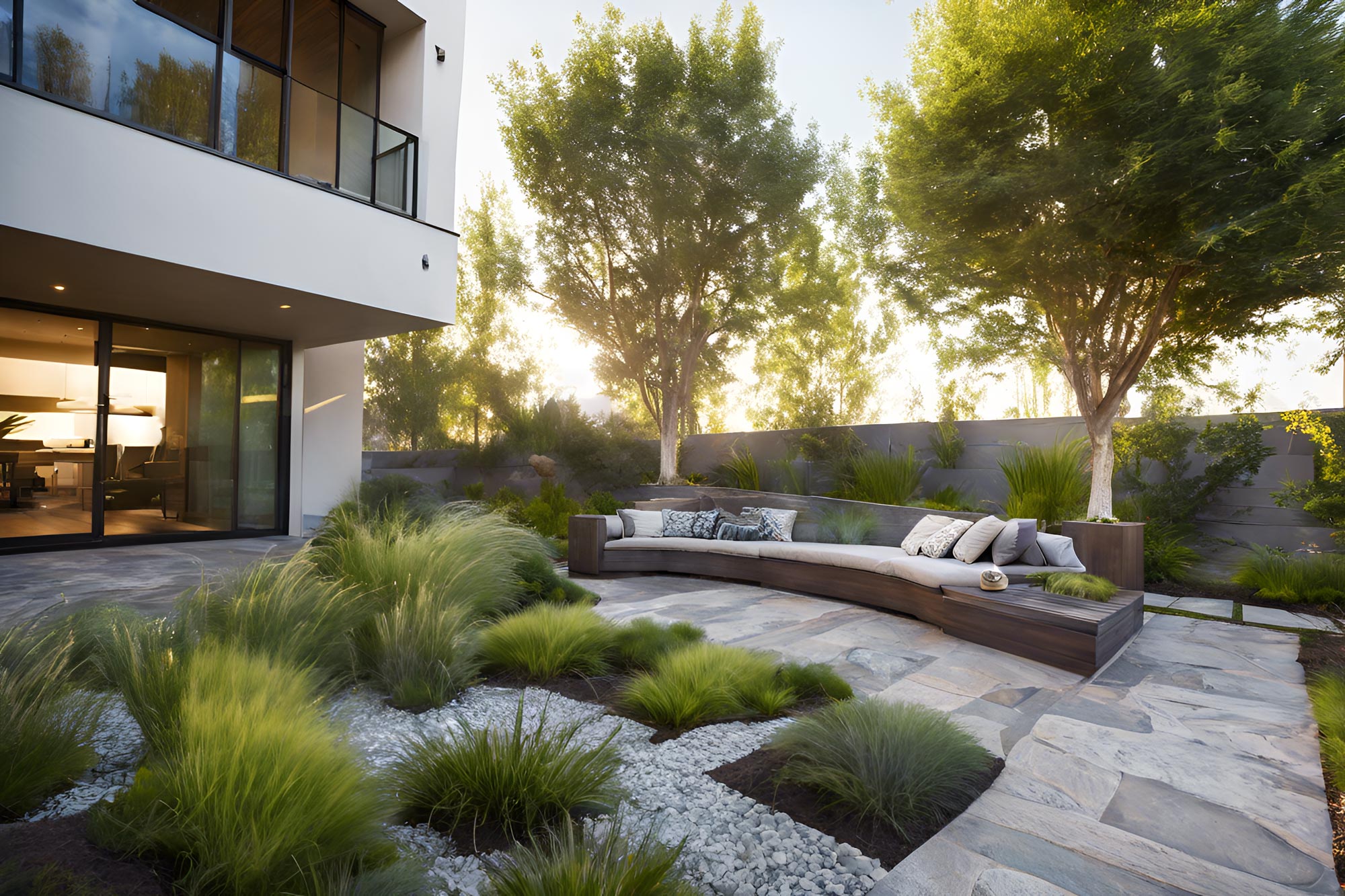
Landscaping goes beyond the aesthetic enhancement of outdoor spaces; it serves a vital role in creating a sustainable environment and adding economic value to properties. The thoughtful arrangement of plants, trees, and structures is instrumental in shaping not only personal realms but also the broader ecosystem. Proper landscaping can mitigate environmental challenges such as soil erosion and heat accumulation in urban areas, fostering a healthier living environment for all species.
Moreover, a well-planned landscape is not just pleasing to the eye, but it also contributes to the psychological and physical well-being of individuals. It is a setting for relaxation and recreation, offering a refuge from the bustling pace of modern life. Landscaping, when done right, contributes to community well-being by creating green spaces that facilitate social interaction and a sense of community.
Key Takeaways
Landscaping significantly benefits ecological sustainability and improves environmental quality.
A strategic landscape design enhances property value and can lead to economic gains.
Green spaces are crucial for mental health, providing stress relief and opportunities for physical activity.
Environmental Significance
Landscaping contributes significantly to the environmental health of our planet. Through the strategic use of trees, shrubs, and other plants, landscapes play a crucial role in combating climate change, supporting biodiversity, and managing natural resources such as water.
Combating Climate Change
Strategically planted trees and shrubs act as carbon sinks, absorbing carbon dioxide from the atmosphere. This process reduces greenhouse gas concentrations and mitigates climate change. Sustainability-focused landscaping employs practices that can significantly lower a property’s carbon footprint.
Enhancing Biodiversity
Native plants are vital for sustaining local ecosystems. By using indigenous species in landscaping, one encourages a diverse range of insects, birds, and other wildlife. This not only enhances the biodiversity of an area but also strengthens the resilience of local ecosystems.
Improving Water Management
Landscapes designed with features like rain gardens can effectively manage stormwater, reducing runoff and filtering pollutants. These practices keep waterways cleaner and help sustainably manage the local water cycle.
Erosion Control
Erosion control is a critical environmental benefit of proper landscaping. Vegetation such as ground cover and deep-rooted plants stabilize soil and prevent soil erosion, particularly on slopes or in areas prone to heavy rainfall. This preserves the quality and structure of the soil.
Supporting Urban Wildlife
Urban landscapes are often devoid of natural refuges for wildlife. Integrating landscaping elements like trees and water features provides habitats for urban wildlife, helping to maintain a balanced ecosystem within the cityscape. These spaces can serve as crucial stepping stones for migrating species and aid their survival.
Economic Advantages
Landscaping is more than just an aesthetic enhancement; it serves as a strategic investment with substantial economic returns for homeowners and commercial property owners alike. Through meticulous maintenance and energy-efficient designs, professional landscapers can transform outdoor spaces into assets that bolster property value and reduce operating costs.
Enhancing Property Value
Homeowners stand to gain significantly from investing in their property’s landscape. A well-executed landscaping strategy can elevate a property’s curb appeal and ultimately contribute to a higher property value. In fact, a study by Professor Joel Goldsteen suggests landscape amenities show a high correlation with property occupancy rates, indicative of their value to potential buyers or renters.
Reducing Energy Costs
Landscaping isn’t solely about beauty; it’s about energy efficiency too. Strategic placement of trees and shrubbery can shield homes from wind and provide shade, mitigating heating and cooling expenses. This leads to a more energy-efficient home, which not only saves money but also is more attractive to environmentally conscious buyers.
Commercial Benefits
For commercial properties, the economic benefits of landscaping are twofold. A well-maintained landscape can attract more foot traffic and, as a result, potentially increase revenue streams. Additionally, a well-done landscaping project creates a pleasant atmosphere that can lead to higher occupancy and rental rates, directly impacting the bottom line.
Health and Well-Being
Landscaping plays an integral role in enhancing health and well-being by improving air quality and offering psychological and physical benefits. It contributes to a cleaner natural environment by filtering pollutants, providing oxygen, and reducing noise. Additionally, well-designed green spaces support mental and physical health and elevate the overall quality of life.
Purifying the Air
Oxygen Production: Through the process of photosynthesis, plants release oxygen, which is essential for human life.
Pollutant Reduction: Vegetation in landscapes acts as a natural filter, capturing dust and smoke particles, and reducing overall air pollution.
Supporting Mental Health
Stress Relief: Landscaped areas provide serene settings that can significantly lower stress levels.
Enhanced Mental Health: Regular exposure to natural landscapes has been shown to benefit mental health by improving mood and memory functions.
Healing Environments: Access to green spaces can accelerate the healing process and promote an overall sense of well-being.
Promoting Physical Health
Encouraging Activity: Landscaping entices people to engage in physical activities such as gardening and walking, improving health.
Quality of Life: Regular interactions with nature can lead to a healthier, more active lifestyle, ultimately elevating one’s quality of life.
Noise Reduction: Strategically placed plants and trees can reduce noise from urban settings, creating more peaceful, restorative environments.
Aesthetic and Functional Value
Landscape designers merge visual artistry with practical design to enhance living spaces, affording both beauty and utility in the outdoor environment. The arrangement of plants, construction of structures, and design of walkways all contribute to a well-designed landscape that elevates the homeowner’s experience.
Design and Beauty
A well-designed landscape imbues an outdoor space with beauty, integrating natural elements such as grass, flowers, and green spaces to create a harmonious aesthetic. Thoughtful placement of gardens and lawns can transform a plain expanse into a tranquil, visually appealing haven.
Enhancing Curb Appeal
The curb appeal of a property is significantly bolstered by attractive landscaping. A home boasting vibrant flower beds and a well-landscaped yard projects a sense of pride and care, inviting positive attention and potentially increasing home value.
Creating Functional Outdoor Spaces
Landscaping extends the living space beyond the confines of the home. Landscape architecture can also carve out areas for recreation, dining, and relaxation. Patios serve as platforms for entertaining, while clever hardscaping ensures privacy and defines areas of activity, crafting a versatile outdoor living space.
Sustainable Use of Resources
In pursuing sustainable landscaping, the goal is to create and maintain spaces that align with ecological principles, utilizing resources efficiently and responsibly. The emphasis on conserving water, selecting appropriate plant species, and implementing intelligent landscaping strategies plays a significant role in the longevity and resilience of outdoor environments.
Conserving Water
Water is a precious commodity, especially in regions prone to drought. Sustainable landscaping practices aim to reduce dependence on irrigation through techniques such as drip irrigation and rainwater harvesting. By designing landscapes that require less water, for instance, incorporating drought-tolerant plants or water-efficient water features, the strain on local bodies of water can be significantly mitigated, adhering to water restrictions without compromising the health of the landscape.
Utilizing Native Flora
Incorporating native plants into landscape design is more than just an aesthetic choice; it is a strategic move to conserve resources. Native species are adapted to the local climate and are generally more resistant to pests and diseases, reducing the need for fertilizers and pesticides which can contribute to water runoff pollution. By doing so, emissions from transportation and manufacturing of synthetic products are also lessened, making native flora a cornerstone for sustainable practices in community green spaces.
Smart Landscaping Practices
Intelligent landscaping is about making informed, purposeful decisions that benefit the environment and reduce unnecessary resource usage. Strategic placement of trees can increase energy efficiency by providing shade, thereby reducing energy costs. Choosing hardscapes that permit water permeation prevents runoff and protects local bodies of water. Implementing sustainable practices such as composting, mulching, and efficient space design not only supports the ecology but can also foster attractive and functional outdoor spaces that serve the community.
Social and Community Benefits
The design and maintenance of community landscapes are more than just aesthetic considerations; they serve to foster recreation and interaction while bolstering the fabric of social connections within neighborhoods.
Promoting Recreation and Interaction
Strategically designed community green spaces invite individuals to engage in recreation, offering a natural respite from the urban environment. The American Society of Landscape Architects emphasizes the role of parks in providing spaces where people can exercise, play, and relax. These areas facilitate social interaction, which is essential to building vibrant communities.
Relaxation: Open, grassy areas and serene park settings provide a beautiful outdoor space for individuals to unwind.
Recreation: Equipped with playgrounds, sports fields, and walking paths, parks are recreational hubs for all ages.
Strengthening Community Ties
Landscaping efforts also play a pivotal role in fostering a sense of belonging among residents. When people take pride in their shared spaces, they are more inclined to form strong community bonds.
Community Green Spaces: Gardens and landscaped areas become places where neighbors meet, share plantings, and collaborate.
Sense of Belonging: Through shared stewardship of communal areas, residents develop a collective identity and a vested interest in their community’s well-being.
Landscaped environments are key in promoting healthy, social communities, reflecting the core values of American society.
Conclusion
Landscaping projects serve numerous roles beyond mere aesthetic enhancement. A beautifully landscaped property also significantly elevates the functionality and practicality of outdoor spaces, making them more conducive and welcoming for various activities. Thoughtfully designed landscapes harmonize with the local environment, creating a synergy between nature and human-made structures.
Physical and Emotional Well-being: The presence of a landscaped area has been linked to improved mental health and tranquility.
Environmental Benefits: Landscaping contributes to better air quality and supports diverse ecosystems.
Value Addition: Strategic landscapes can add to a property’s market worth.
Cognizant of these multifaceted benefits, landscaping assumes a critical role in how living spaces are crafted and perceived. It is the linchpin in transforming mere dwellings into cherished homes and barren commercial locations into bustling hubs of activity. When one considers how clever designs and installations contribute to conservation efforts and energy efficiency, the importance of landscaping becomes even more pronounced.
Ultimately, landscaping is not just about planting shrubbery or laying down sod; it encapsulates an appreciation for the environment, foresight for sustainability, and a commitment to enhancing quality of life for humans and wildlife alike.
Frequently Asked Questions
This section addresses common inquiries addressing why landscaping is important, covering its environmental impact, influence on property value, and the necessity of upkeep.
What are the environmental benefits of landscaping?
Landscaping offers various environmental advantages, such as reducing the urban heat island effect, enhancing air quality, and supporting biodiversity. Incorporating vegetation can help mitigate stormwater runoff and can conserve the natural resources of the environment by replacing lost habitats.
How does landscape design impact the aesthetic and functional value of a property?
Landscape design significantly enhances both the visual appeal and usability of a property. Aesthetic improvements such as flower beds or a well-landscaped yard can increase property values and create inviting outdoor spaces for various activities, while functional landscape features like proper drainage and erosion control are vital for property longevity.
Why is regular maintenance crucial for preserving a landscape’s quality and appeal?
Regular maintenance performed by a professional landscaping company is key for sustaining a landscape’s health, ensuring that plants grow optimally and that the area remains aesthetically pleasing. It prevents overgrowth, controls weeds, and addresses any issues promptly to maintain the space’s structure and vigor.


